Understanding 3D Printing Resins: How Photopolymers Work
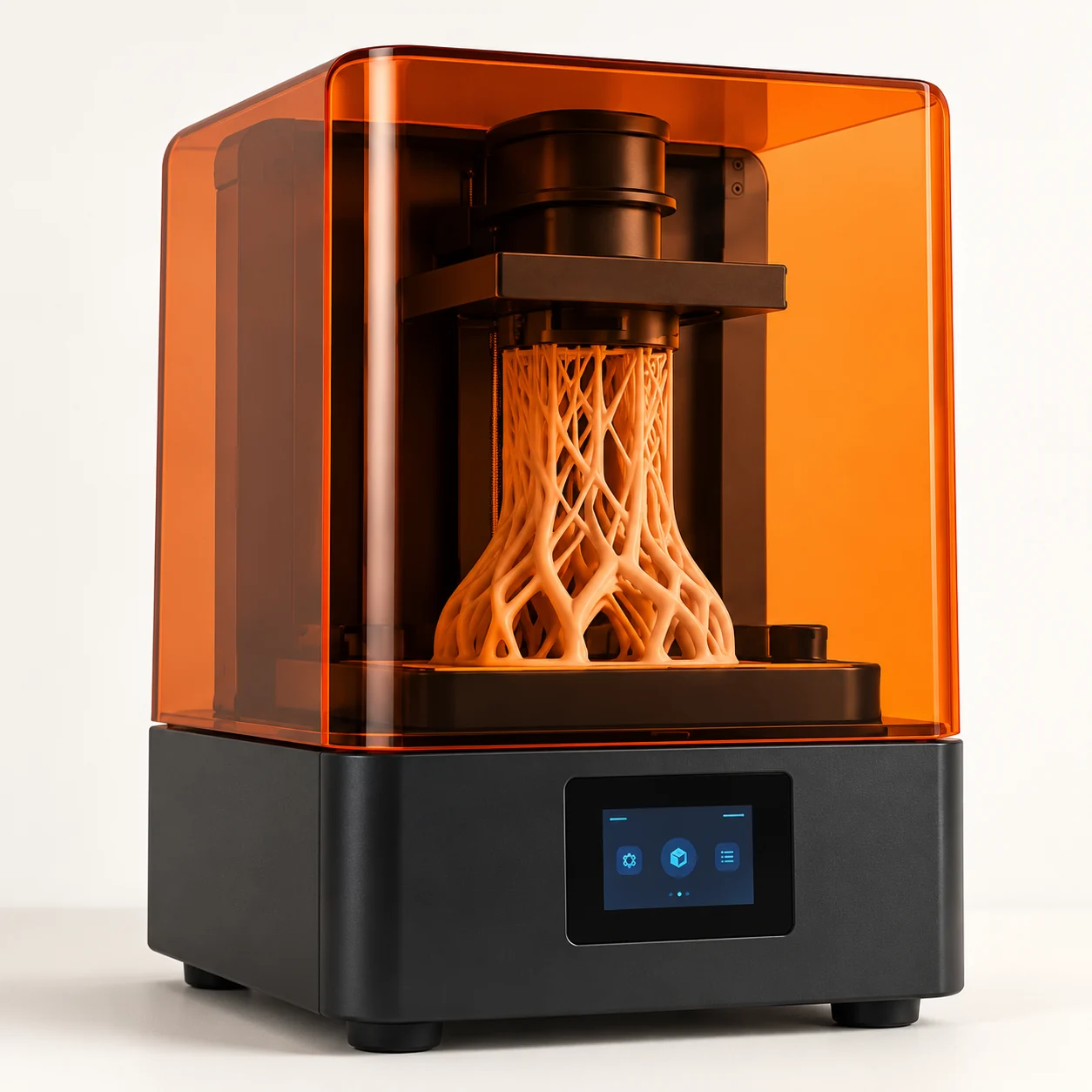
If you want to print objects with microscopically fine surface details, razor-sharp miniatures, or smooth jewelry masters, resin 3D printing (using MSLA, LCD, or SLA technology) is the gold standard. Unlike filament printers that melt and push plastic threads, resin printers use a vat of liquid photopolymer that cures into solid plastic when hit by ultraviolet light.
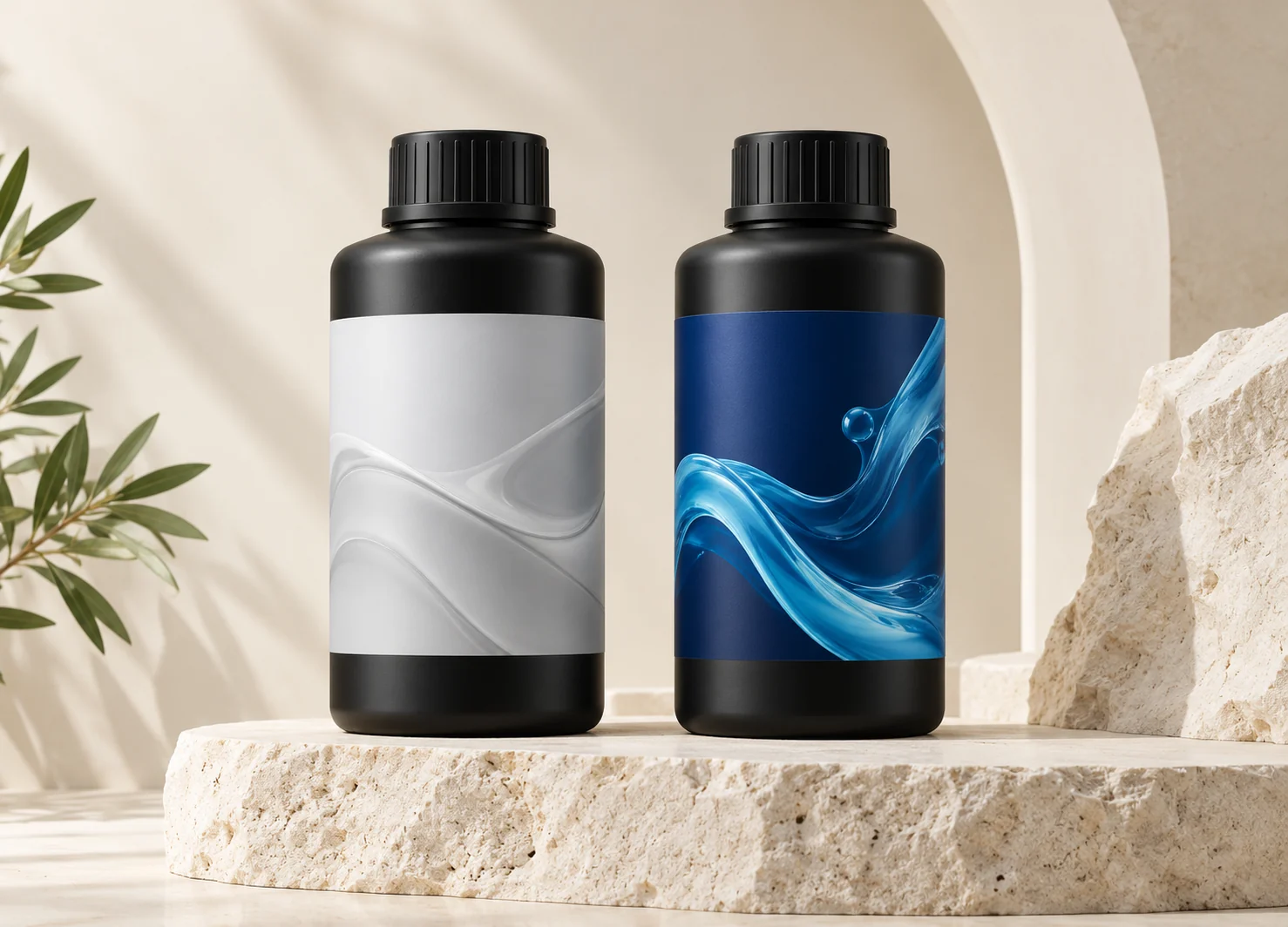
Resins are engineered using liquid oligomers, monomers, and photoinitiators. When exposed to specific light wavelengths (typically 405 nm on modern desktop monochrome LCD printers), the liquid undergoes a rapid chemical reaction called photopolymerization, solidifying layer by layer with microscopic layer heights as thin as 0.02 mm (20 microns).
Because liquid photopolymers behave very differently from spools of plastic, choosing the right formulation depends heavily on whether you prioritize detail, impact toughness, ease of cleanup, or flexibility.
Standard & Rapid Resins: Best for Miniatures & Visual Displays
Standard Resins: The most common and budget-friendly liquid resins. They are formulated to capture extraordinary surface details, making them the default choice for tabletop gaming miniatures, anime statues, and architectural models. They yield silky smooth surfaces with virtually invisible layer lines.
Rapid & 8K/12K High-Detail Formulations: Specially tuned with high-speed photoinitiators to achieve ultra-fast curing times (typically 1.5 to 2.5 seconds per layer on monochrome screens). High-resolution 8K and 12K resins use ultra-fine pigments to eliminate light bleed between pixels, ensuring sharp edges on intricate armor, hair, and jewelry details.
Trade-Offs: Standard resins tend to be brittle. If a thin sword or figurine drops onto a tile floor, it can snap easily. They also require cleaning in 99% Isopropyl Alcohol (IPA) baths before curing.
Water-Washable Resins: Clean Printing Without Alcohol Baths
Why Use It: Traditional resin printing requires gallons of high-proof Isopropyl Alcohol (IPA) or ethanol to wash away uncured liquid resin. Water-washable resins are chemically modified with hydrophilic molecules, allowing you to rinse prints clean in ordinary tap water.
Key Benefits: Eliminates the strong chemical smell of rubbing alcohol in your workspace, saves money on recurring solvent purchases, and simplifies the post-print workflow.
Important Safety Note: Even though it washes off with water, water-washable resin is still a chemical before it is cured. Never rinse prints directly under running tap water into the sink. Always wash prints in a dedicated wash container, and allow the wash water to evaporate under sunlight so the suspended resin cures into safe, disposable solid waste.
Tough & ABS-Like Resins: Built for Functional Parts
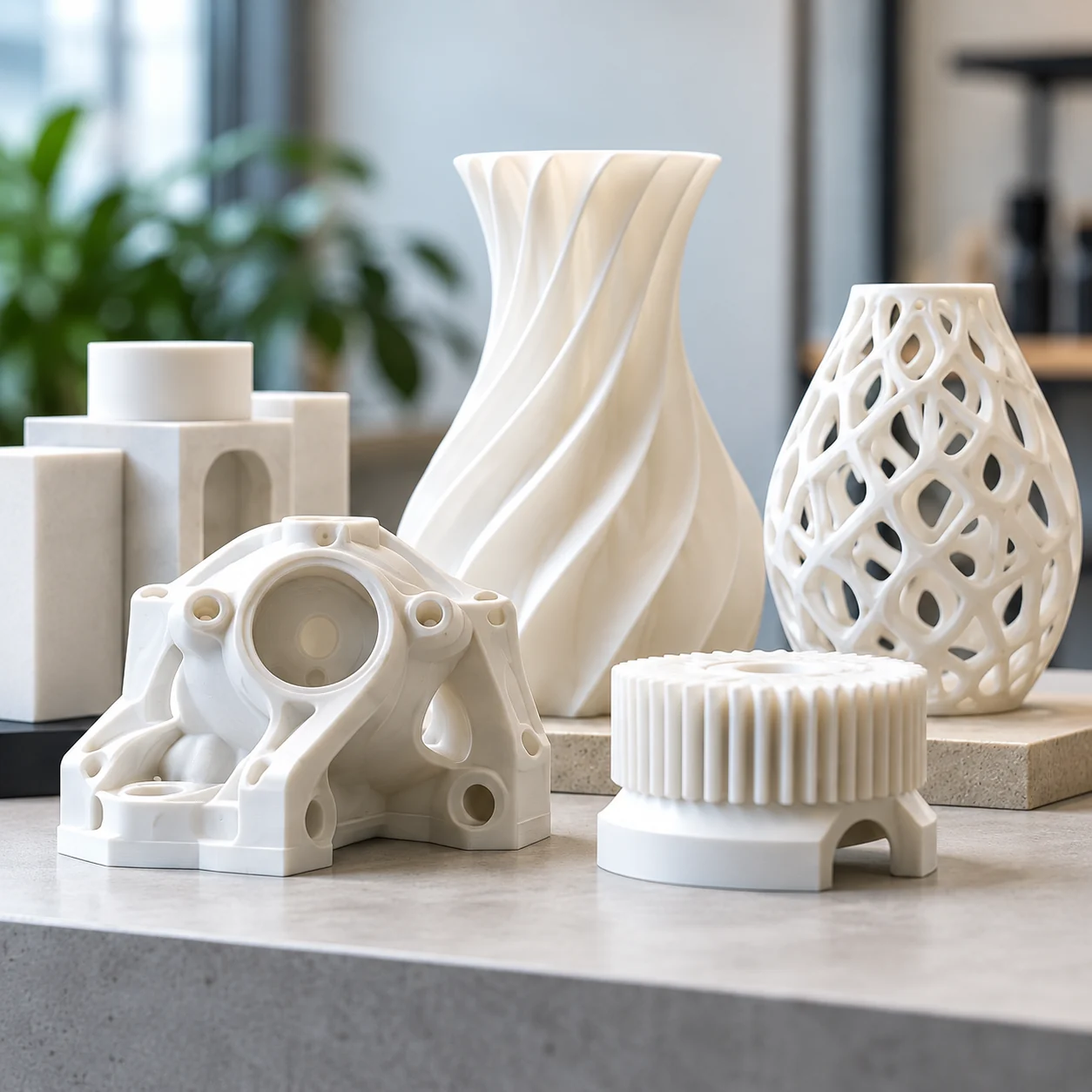
Why Use It: When you need to 3D print functional parts—like electronic project boxes, drone mounts, snap-fit clips, or mechanical brackets—standard resin's brittleness is a major drawback. Tough and ABS-like resins are formulated with impact-absorbing polyurethane additives.
Key Characteristics: These resins provide high elongation before break, meaning the part can flex and bend slightly under load without shattering. They can withstand light drilling, tapping, and everyday mechanical handling.
Best Applications: Functional snap-fits, product enclosures, custom tooling jigs, and tabletop miniatures with thin, fragile parts that need to survive repeated gameplay.
Flexible & Elastic Resins: Soft Rubbery Components
Why Use It: Flexible resins simulate vulcanized rubber and soft silicone. When fully cured, printed parts can be stretched, compressed, and twisted, returning to their original shape without permanent deformation.
Key Characteristics: Available in varying Shore hardness levels (typically Shore 60A to 80A). They offer excellent vibration damping, tactile grip, and sealing capabilities.
Best Applications: Gaskets, soft-touch ergonomic grips, bumper guards, tire treads for model vehicles, and shock-absorbing feet for equipment.
Specialist Resins: Castable Wax, High-Temp & Certified Dental
Castable Wax Resins: Formulated with real micro-waxes for investment casting. Jewelers 3D print rings, pendants, and watch cases, then embed them in gypsum plaster inside a kiln. The resin vaporizes cleanly with zero residual ash, leaving an empty cavity to cast molten gold, platinum, or sterling silver.
Certified Dental Resins: High-precision, biocompatible Class I and Class IIa photopolymers engineered for dental laboratories. Used to print accurate surgical drill guides, night guards, orthodontic clear aligner models, and permanent denture teeth that can safely contact human tissue.
High-Temperature & Engineering Resins: Reinforced with ceramic or glass particles, these resins offer heat deflection temperatures above 180°C–220°C, making them suitable for hot air manifolds, injection mold inserts, and aerospace test components.
Post-Processing Best Practices & Safety Tips
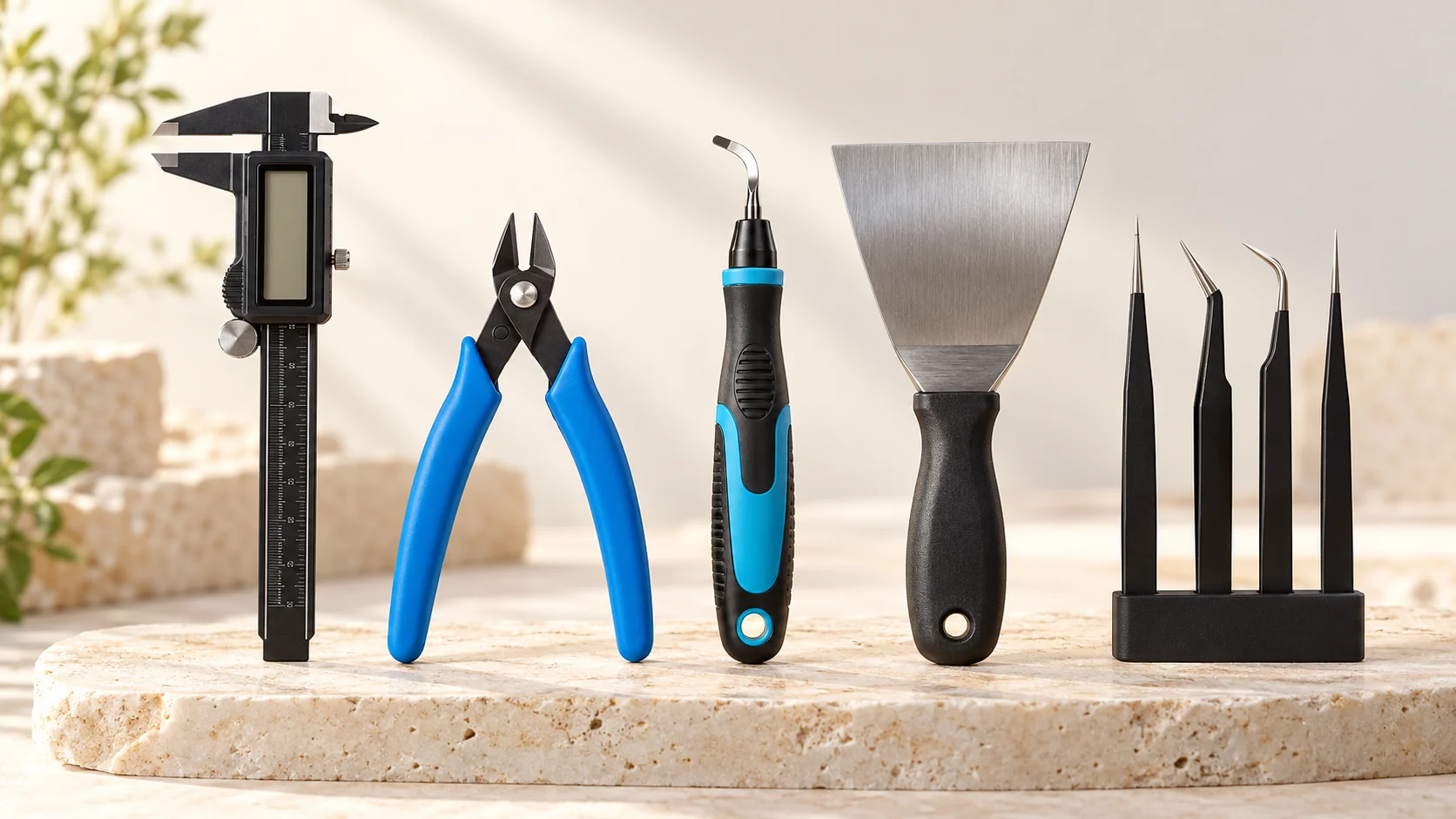
Safety First: Always wear nitrile gloves and safety glasses when handling uncured liquid resin. Work in a well-ventilated room or use a printer equipped with an activated carbon air filter to control volatile organic compound (VOC) odors.
The Two-Stage Wash: For standard resins, use a two-container IPA wash system—a 'dirty bath' for the first rinse to remove 90% of excess liquid, followed by a 'clean bath' for a pristine final wash. This keeps your clean solvent fresh much longer.
Cure Thoroughly: After washing, let prints air dry completely before placing them in a 405 nm UV curing station. Curing a wet print can leave a milky, chalky white residue on the surface. Rotate the part for 2 to 5 minutes so all sides receive uniform UV light.