
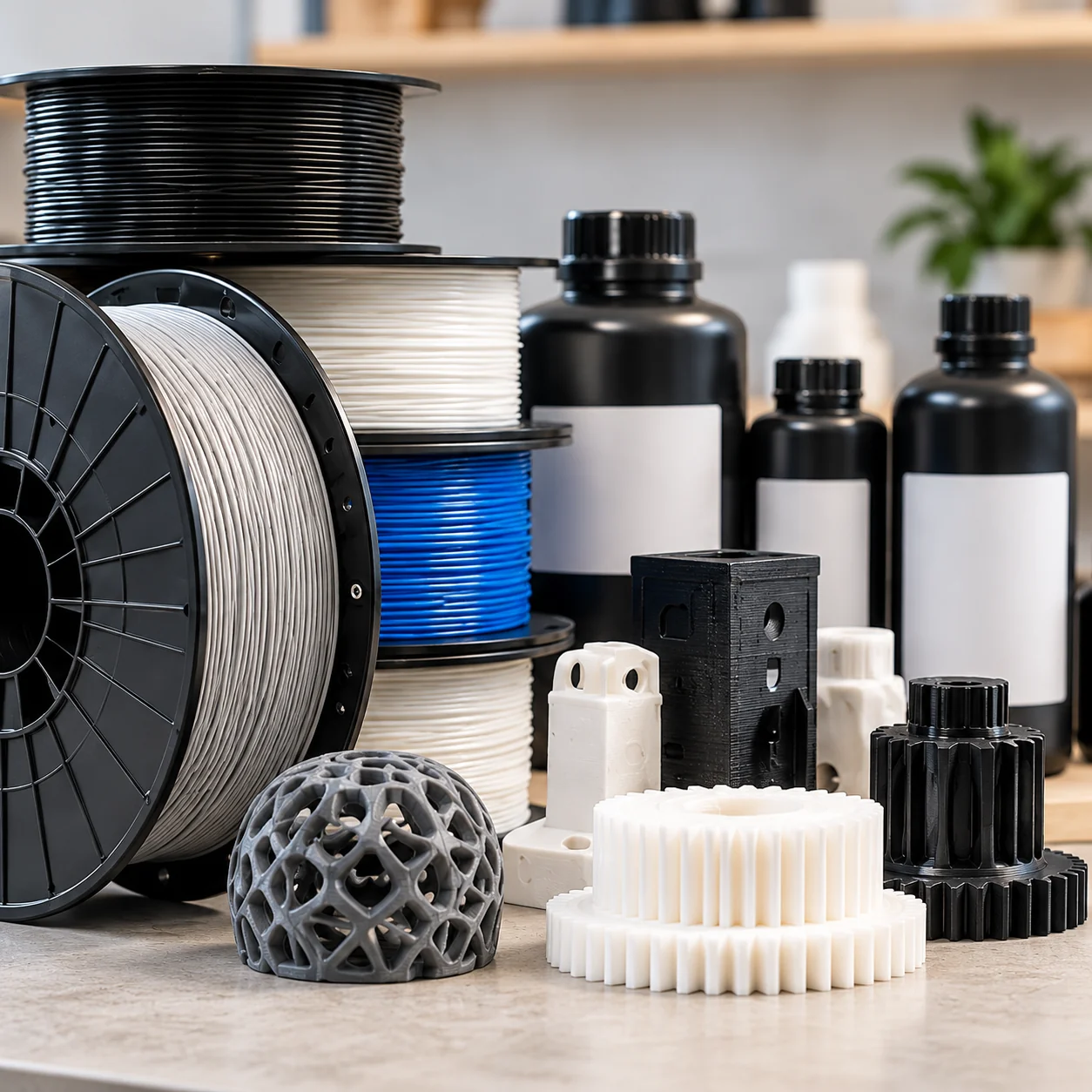
Understanding the Main Types of 3D Printing Materials
Choosing the right material is one of the most important steps in 3D printing. The material you select dictates how strong your printed object will be, how much it can flex, how it handles ambient heat, and how smooth it looks straight off the build plate.
Today's 3D printing materials fall into four major categories: spool-fed plastic filaments for FDM printers, liquid photopolymer resins for SLA/DLP/LCD resin machines, powdered industrial metals for laser sintering, and technical ceramics for high-heat engineering. What you choose depends entirely on your project goals—a tabletop display model calls for fine cosmetic details, while a functional bracket demands high mechanical strength and heat resistance.
Common FDM Filaments: Everyday Workhorses
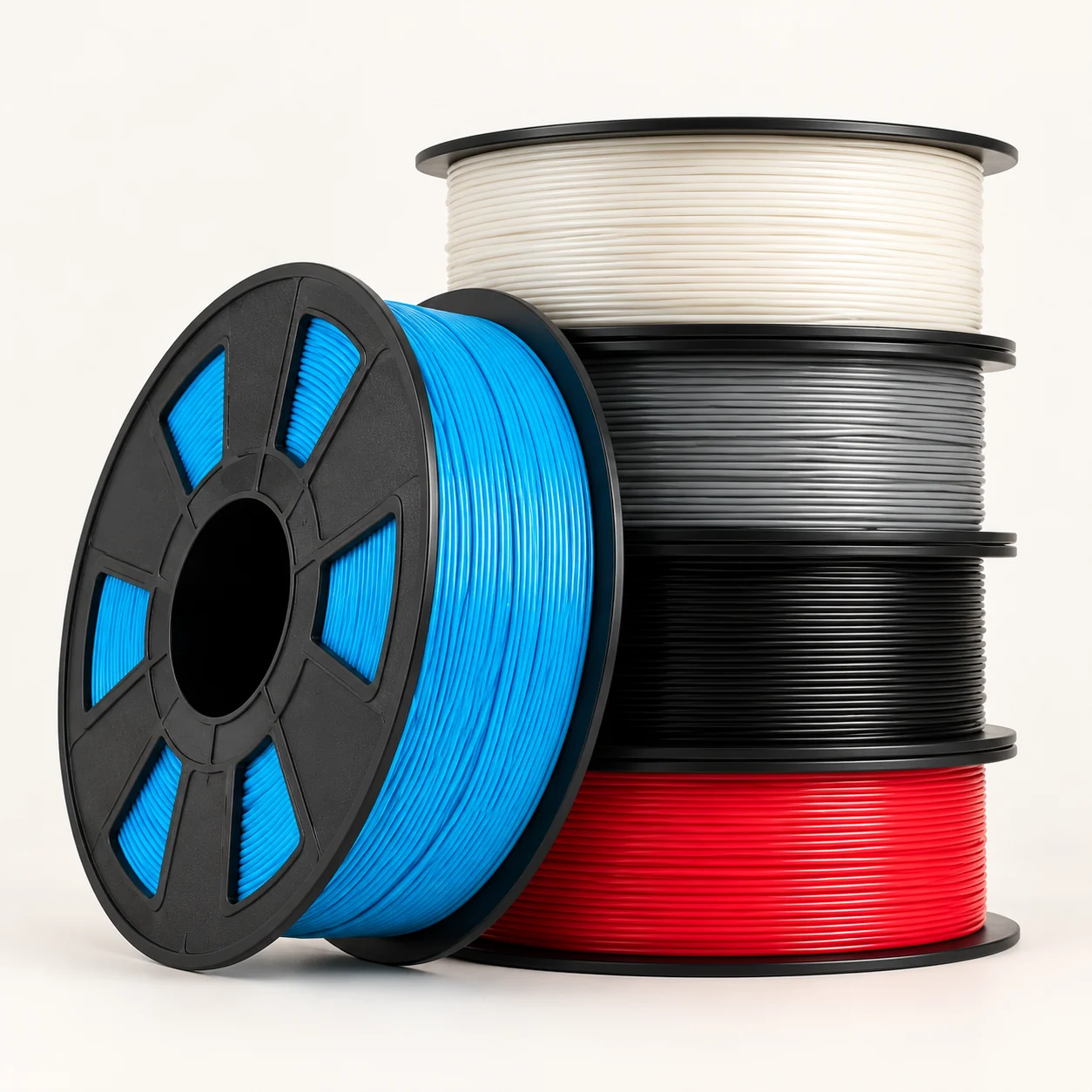
PLA (Polylactic Acid): The most popular and beginner-friendly material in 3D printing. Derived from plant starches like corn, PLA prints at mild temperatures (190°C–215°C) without needing an enclosure or heated chamber. It produces sharp details, minimal warping, and zero unpleasant fumes. Note that PLA softens around 55°C, so avoid using it in hot car interiors or high-stress mechanical parts.
ABS (Acrylonitrile Butadiene Styrene): A durable, impact-resistant plastic commonly found in Lego bricks and automotive interiors. ABS handles heat up to 85°C–90°C and can be smoothed with acetone vapor. Because ABS contracts rapidly as it cools, an enclosed printer and heated bed are essential to prevent severe warping and corner lifting.
PETG (Glycol-Modified Polyethylene Terephthalate): The perfect everyday middle ground between PLA and ABS. PETG is impact-resistant, weather-tolerant, and naturally water-resistant. It prints reliably on open-frame printers, though it requires proper storage because it quickly absorbs humidity from the air, causing stringing if left wet.
TPU, TPE and TPC (Flexible Elastomers): Rubbery thermoplastics that bend and flex without breaking. Ideal for protective phone cases, vibration-dampening feet, gaskets, and wearable prototypes. Flexible filaments print best at modest speeds through direct-drive extruders.
Nylon (PA): Celebrated for exceptional toughness, high fatigue resistance, and a low friction coefficient. It is the premier choice for mechanical gears, snap-fit hinges, and sliding brackets. Nylon is very hygroscopic and must be dried before printing.
ASA: The ideal outdoor alternative to ABS. ASA matches the durability and temperature tolerance of ABS while adding built-in UV stability, ensuring parts will not fade, yellow, or become brittle under intense sunlight.
Support Filaments (PVA & HIPS): For complex geometries on multi-material printers, dedicated support materials save hours of post-processing. Water-soluble PVA dissolves completely in warm tap water leaving zero marks on PLA parts, while HIPS dissolves in limonene to support complex ABS overhangs.
Composite and Speciality Filaments
Wood-Filled Filaments: Blend standard PLA with fine wood sawdust. Finished prints look, feel, and smell like real wood, and can be sanded, cut, and stained with ordinary wood stains. Use a 0.5 mm or larger nozzle to avoid clogging.
Metal-Filled Aesthetic Filaments: Mix fine copper, bronze, or brass powder into a plastic base. They give parts noticeable heft and weight and can be polished or tarnished for an authentic metal patina, although they do not have the structural strength of solid metal.
Conductive and ESD-Safe Filaments: Formulated with carbon nanotubes or graphene additives to safely discharge static electricity around sensitive electronics or create low-voltage capacitive touch circuits.
Metal-Filled Filaments for Real Sintered Parts: Desktop metal FDM filaments pack up to 80% real metal powder into a plastic binder. Once printed, the green part is sent to an industrial facility for debinding and furnace sintering to produce a 100% dense solid metal part.
High-Performance Engineering Plastics
Polycarbonate (PC): Renowned for incredible impact strength, optical clarity, and continuous heat resistance up to 140°C. Frequently chosen for protective face shields, machinery enclosures, and automotive light covers.
PEI (Ultem): An aerospace-grade polymer combining high mechanical strength, chemical resistance, and natural flame retardancy, capable of replacing CNC-machined aluminum brackets in aircraft cabins.
PEEK and PEKK: Ultra-performance polymers capable of enduring continuous operating temperatures above 250°C and aggressive solvents. Certified implantable grades of PEEK are even used in spinal implants and bone reconstruction plates.
PVDF and PPSU: PVDF offers non-reactive chemical resistance and radiation shielding for semiconductor equipment. PPSU withstands repeated high-pressure steam autoclave sterilisation for reusable surgical trays and medical tools.
Types of 3D Printing Resin
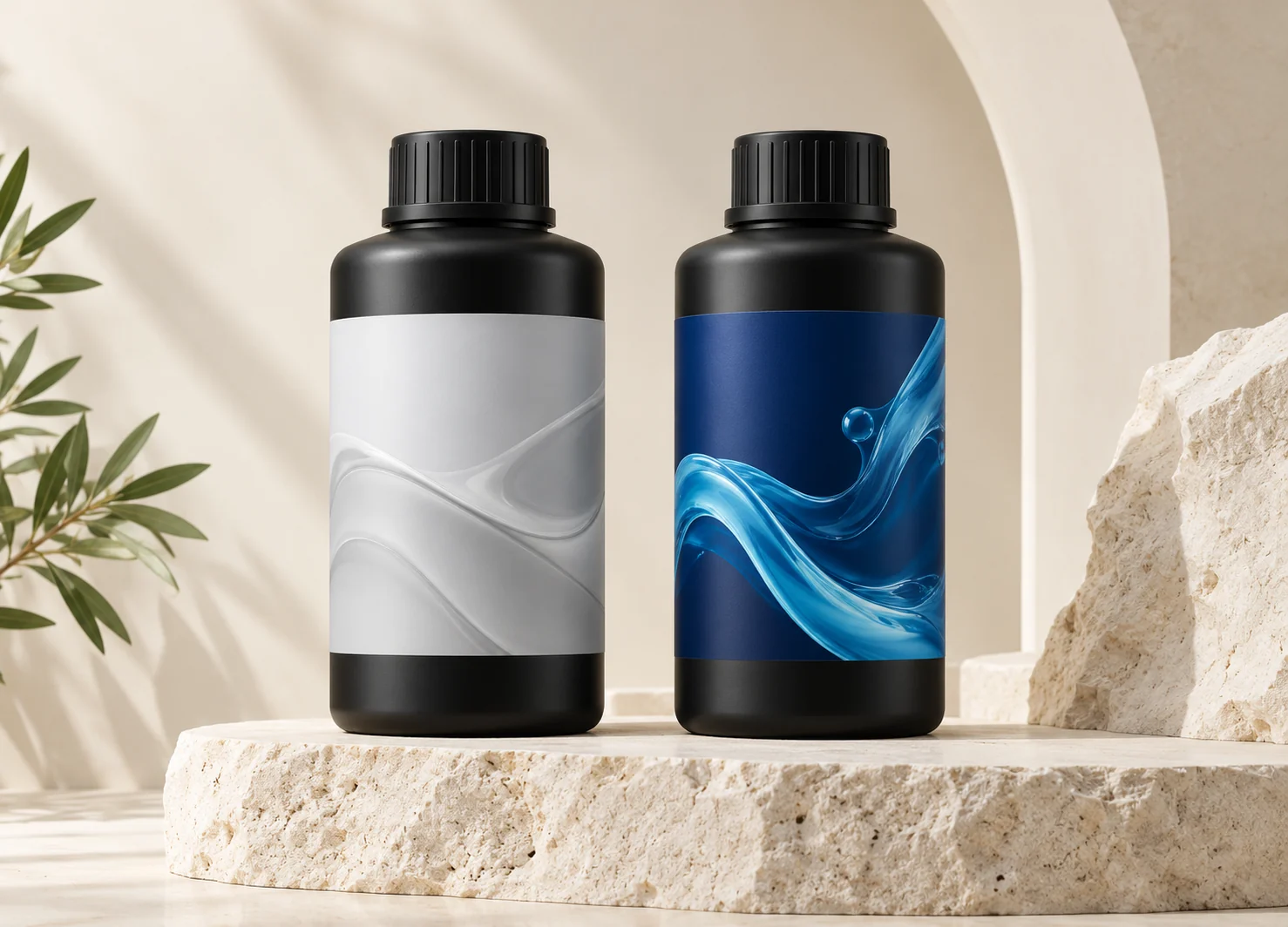
Standard and Rapid Resins: Liquid photopolymers designed for LCD, SLA, and DLP printers. Standard resin delivers crisp sub-millimeter details and smooth layer lines for miniatures and figurines. Rapid resin formulations cure quickly in 1.5 to 2.5 seconds per layer, noticeably shortening print cycles.
Tough (ABS-Like) and Flexible Resins: Tough resins add impact-absorbing polymers so functional parts and snap-fits do not shatter when dropped. Flexible resins mimic soft rubber for gaskets, dampeners, and tactile grips.
Water-Washable and Plant-Based Resins: Water-washable formulas allow parts to be rinsed clean in plain tap water without expensive isopropyl alcohol (IPA) baths. Plant-based resins substitute petroleum compounds with soybean oil derivatives, significantly lowering printing odor.
Specialty Resins (Castable Wax & Certified Dental): Castable wax resins cleanly burn out inside lost-wax furnaces with zero residual ash for casting gold, platinum, and silver jewelry. Class-certified dental resins enable dental professionals to print biocompatible surgical guides, night guards, and orthodontic models.
Metal 3D Printing Materials
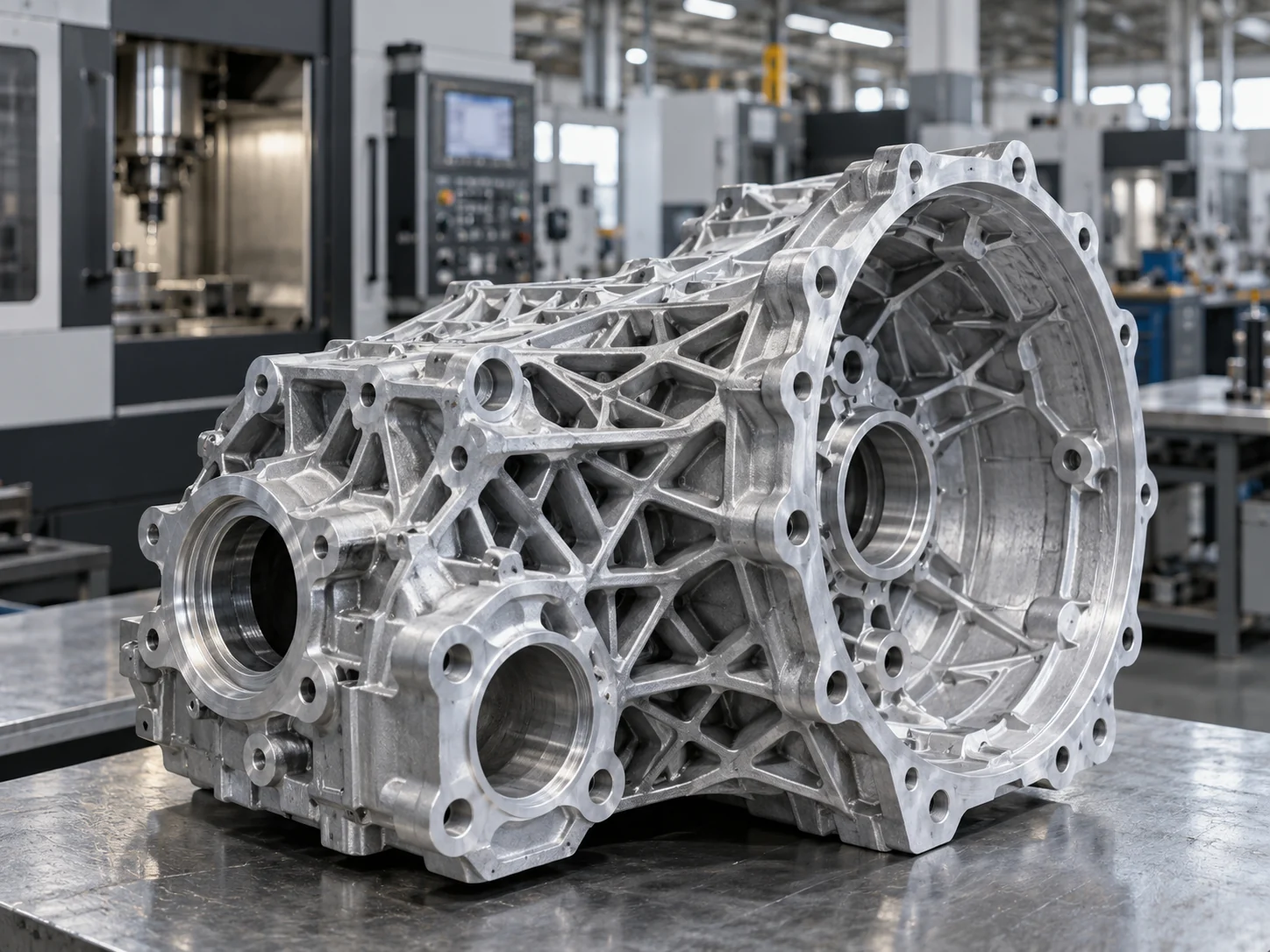
Industrial metal 3D printing uses high-powered lasers and electron beams (LPBF, DED, Binder Jetting) to manufacture end-use industrial parts with complex internal channels that cannot be machined traditionally.
Stainless and Tool Steels: Grades like 316L, 17-4 PH, and D2 provide corrosion resistance, wear tolerance, and structural strength for marine hardware, injection molds, and replacement tooling.
Titanium Alloys (Ti-6Al-4V): Offer the strength of hardened steel at nearly half the weight. Biocompatible and chemically inert, titanium is widely used in rocket components and orthopedic implants.
Aluminium Alloys and Pure Copper: AlSi10Mg aluminium combines light weight with rapid heat dissipation for automotive motor housings. Pure copper provides extreme thermal and electrical conductivity for heat exchangers and rocket engine liners.
Precious Metals: Direct metal printing in gold, silver, and platinum allows luxury jewelers to produce intricate geometries without traditional molds.
Ceramics and Alternative Additive Materials
Technical Ceramics: Materials like zirconia, alumina, and silicon nitride offer diamond-like surface hardness, electrical insulation, and heat tolerance above 1,500°C for semiconductor chucks and aerospace thermal tiles.
Clay and Natural Pottery: Wet clay paste extruded through pneumatic nozzles allows artists and architects to create large ceramic vessels, sculptures, and custom building tiles.
Direct Silicone and Concrete Construction: Industrial silicone printers produce biocompatible, elastic gaskets without expensive steel tooling. Large-scale construction gantry printers extrude fibre-reinforced concrete mortar to build structural walls and entire homes in days.
Bioinks and Food Materials: High-tech bioprinters deposit live cell-loaded hydrogels to cultivate organoids and tissue scaffolds. On the culinary front, food-grade printers deposit chocolate, dough, and plant proteins into intricate edible shapes.
How to Choose the Right Material for Your Project
Before buying material, think about what your printed object needs to do in real life:
For beginners, decorative items, and quick prototypes: Choose PLA for effortless printing, smooth surfaces, and zero warping.
For durable everyday parts and moisture resistance: Choose PETG for strength, impact resistance, and weather durability.
For bendable grips, gaskets, or wearable cases: Choose TPU for flexible elasticity and shock absorption.
For outdoor fixtures exposed to sunlight: Choose ASA to resist UV rays and avoid fading or brittleness.
For ultra-fine miniatures, figurines, and jewelry patterns: Choose photopolymer resin for microscopic detail and smooth curves.
For high-wear mechanical gears, brackets, or tools: Choose Nylon, carbon-fiber composites, or Polycarbonate.
Material Storage and Printing Tips
Store filaments in sealed airtight containers: Use vacuum bags with silica desiccant packs when not in use. Moisture-sensitive plastics like PETG, Nylon, and TPU will absorb air humidity, leading to nozzle popping and excessive stringing.
Dry wet filaments before critical prints: Use a dedicated filament dryer to restore optimal layer adhesion and surface finish.
Match your nozzle to abrasive materials: Standard brass nozzles work great for PLA and PETG, but abrasive carbon fiber, glow-in-the-dark, and metal-filled filaments require hardened steel or ruby nozzles to avoid rapid wear.
Handle photopolymer resins safely: Always wear nitrile gloves and eye protection in a well-ventilated space. Keep resin bottles away from direct sunlight, and always follow proper washing and UV curing procedures.
Frequently Asked Questions
Which 3D printing material is best for beginners? PLA is the undisputed easiest starting material because it prints at mild temperatures, adheres reliably to the build bed, produces minimal odor, and almost never warps.
What is the difference between filament and resin? Filament is a solid plastic strand that an FDM printer melts and pushes through a hot nozzle. Resin is a liquid photopolymer inside a vat that a resin printer cures layer by layer using UV light for microscopic detail.
Which material is best for strong mechanical parts? For common printers, PETG, ABS, and carbon-fiber filled Nylon (PA-CF) offer the best combination of tensile strength, impact resistance, and layer bond durability.
Can my printer handle every material? Not without the right setup. Materials like ABS, ASA, and Polycarbonate require high nozzle temperatures and enclosed chambers, while abrasive composites require hardened steel nozzles. Always check your printer's temperature limits.
Are resin prints ready to use as soon as they finish? No. Resin prints must be washed in solvent (or water for water-washable resin) to remove excess liquid, and then exposed to a UV curing light to reach full strength and hardness.
Conclusion: Making the Right Choice
Choosing the right 3D printing material becomes simple once you clarify your project's goals. Whether you need the easy-going charm of PLA for a desktop model, the weather-defying toughness of ASA for outdoor use, or the ultra-fine precision of photopolymer resin, matching the material to your design ensures great results.
Start with what your part needs to accomplish, check your printer's temperature and enclosure capabilities, and pick the material tailored to match. With the right material on your spool or in your resin vat, your prints will turn out reliable, functional, and visually striking.